F.E.W. Harper: A Singular Voice in a Crowded Room
This is a public-facing article I wrote for Dr. Shannon Withycombe’s class, History 666: Sex and Sexuality, in Spring 2026. Enjoy!
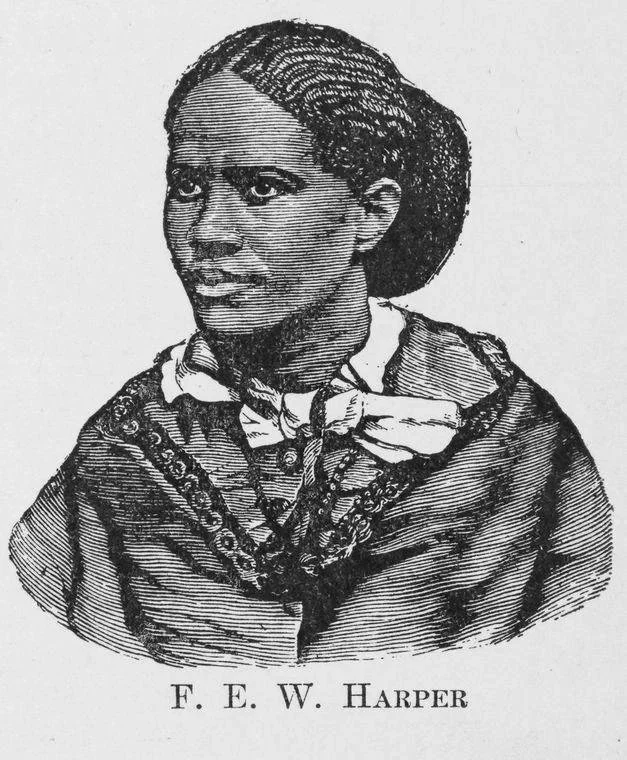
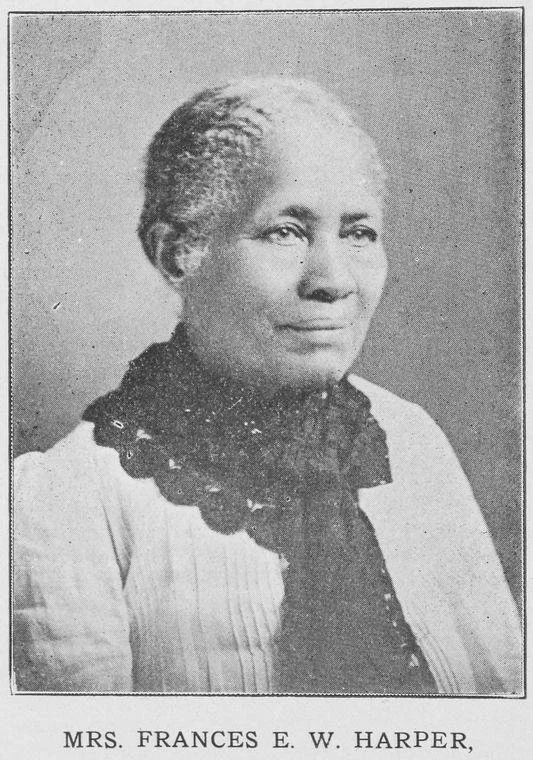
Engraving of Frances Ellen Watkins Harper, created in 1923.
The Reform Meeting: When Frances Ellen Watkins Took the Floor
The meeting was about to begin.
They gathered to talk about reform—about how to address the problems they perceived as pressing in on their homes; issues about morality that could impact the future of the U.S.
When Frances Ellen Watkins-Harper took the stand, it is easy to imagine that there could have been a nearly imperceptible shift in the atmosphere of the crowded meeting hall. She was not the kind of speaker that most attendees typically listened to, and yet, they invited her to speak. She had experience speaking in rooms like this before; rooms where she was one of few Black women amongst a predominantly white crowd. Each time she entered these spaces in major cities across the country, it was apparent that she was an anomaly, and her speeches demonstrate that it was a space she could command.
Her voice may have carried throughout the hall, measured and practiced, shaped and sharpened by years of speaking and teaching. She spoke of mothers, of children, of homes, and all the daily work that shaped the lives of individuals during the nineteenth century. Her words stretched beyond the domestic walls she described. Motherhood, a feminized, gendered role relegated to the private sphere of the home, became something larger in her speech. It became something with a broader consequence. She spoke of the responsibility of American mothers not only to their own homes, but to society.
Her speech framed poverty, social order, and vice as connected and tangible. They were not abstract, distant problems, but structured, daily occurrences shared by thousands of Americans. Her familiar language of reform, morality, purity, and duty was pointed and direct. The idea of the home stretched outward in her speeches, and motherhood became an ideology that could touch the lives of those in need, absolving the problems the country faced as industrialization mounted.
Introduction: Frances Ellen Watkins Harper’s Speeches Reframed Reform
Drawing on Frances Ellen Watkins-Harper’s speeches like “Enlightened Motherhood” (1892), “Social Purity—Its Relation to the Dependent Classes” (1895), and “The Afro-American Mother” (1897), readers can trace how she reframed reform movement issues. She explained to her audiences that race and class shaped reform movement ideals. Contingent upon white, middle-class norms, reform movement ideals applied unequally to marginalized populations. A close reading of her speeches reveals the ways in which Watkins-Harper used familiar rhetoric to critique white reformers’ blind spots and insisted that moral reform must address systemic inequalities. Her work is demonstrative of the fact that Black women reformers were not simply objects of reform culture, but were central political actors who practiced agency and reshaped the meaning of social responsibility during the late nineteenth century and beyond.
A Singular Voice in a Crowded Room
White middle- and upper-class expectations of what society should look like bolstered many reform efforts. At its core was the white, middle-class, patriarchal, heteronormative family which white reformers perceived as morally upright. Men were decidedly the “breadwinners,” members of the public sphere who acted politically, and women were “angels within the home,” in charge of the private dominion where they nurtured a moral family. The white middle- and upper-classes often framed this model as critical not only to managing family dynamics within the home, but as integral to the foundation of civilization. Reform efforts worked to defend and reproduce these white middle-class ideals and framed any deviation as a social problem that needed to be resolved.1
Between 1892 and 1897, Watkins-Harper’s speeches illustrate the ways in which she navigated these spaces as a marginalized, African American woman. Her words reflected reform culture and, in several ways, sought to reshape it. Examining her tone, language, and the recurring themes she featured, we see how Watkins-Harper used shared moral views to push back against racial inequalities, gender hierarchies, and exclusionary social norms that impacted African Americans across the nation.2
Watkins-Harper’s speeches reveal how Black women reformers were strategic in their use of the language of Christian morality and maternal responsibility to align with and simultaneously challenge dominant reform movements. She exposed the limits of white reform efforts and asserted a broader vision of civilization that included all Americans.
The Uneven Rise of Reform
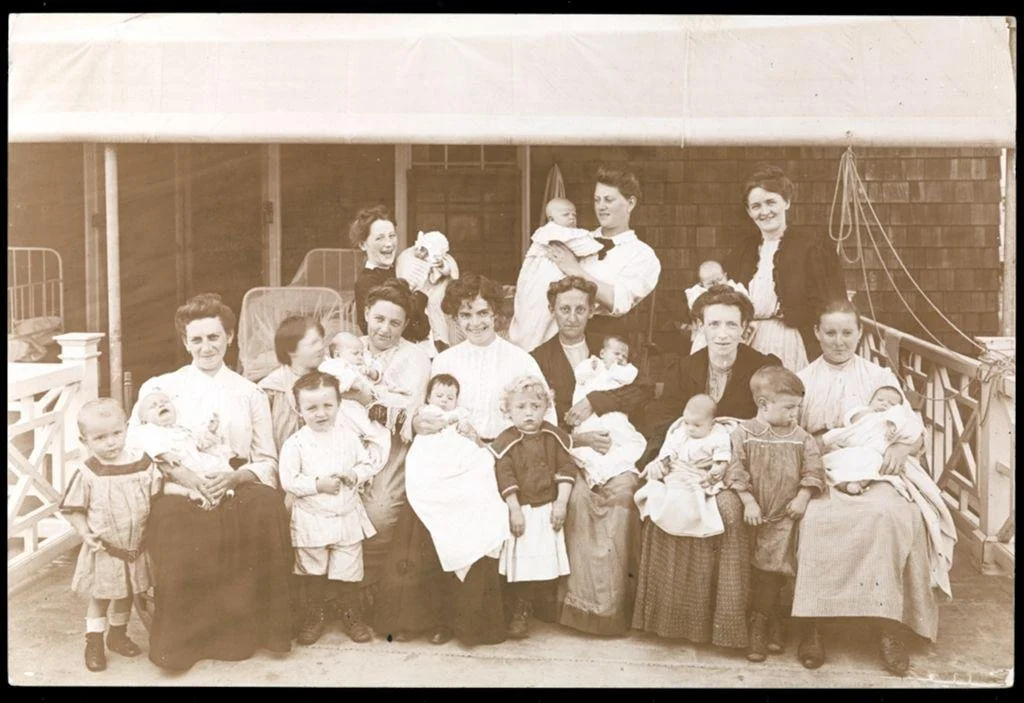
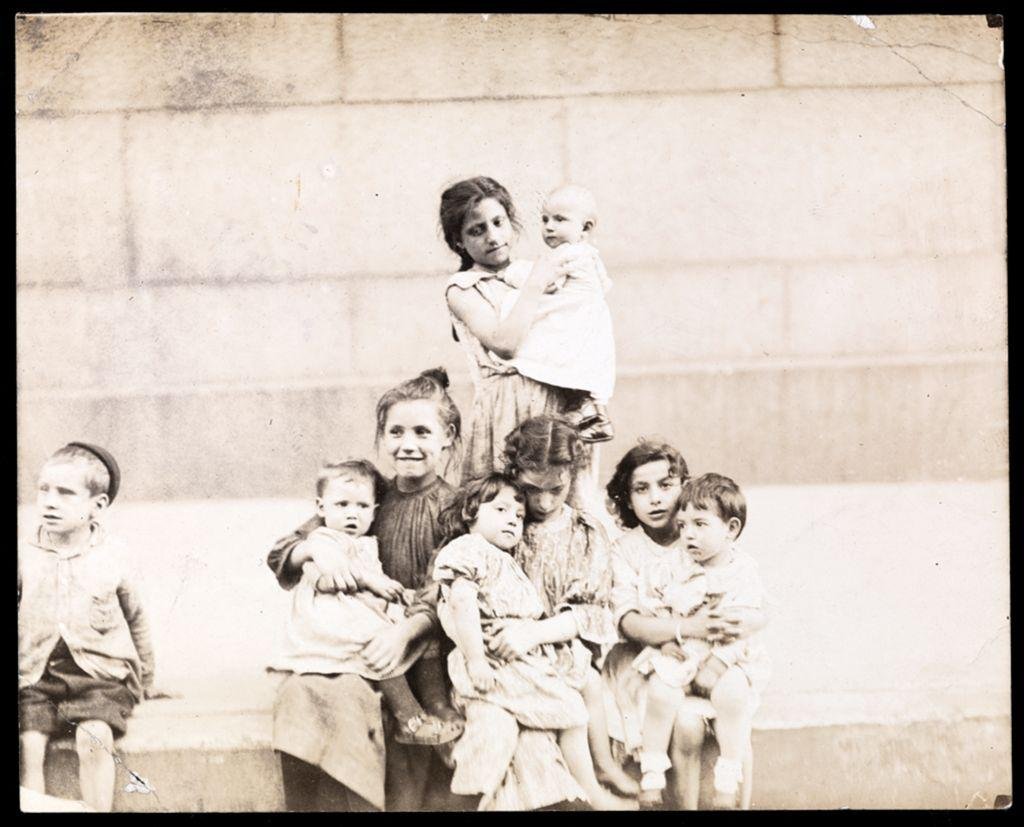
By the late 1890s, both progress and disorder marked American cities. Workers moved into densely populated urban neighborhoods where overcrowding, disease, and poverty were common. New social problems, or issues perceived as “problems” by the white upper- and middle-class, captured public attention. Sex work, alcohol abuse, child labor, and the erosion of traditional, patriarchal, heteronormative family structures were all issues at the center of public attention.
Reformers understood that these issues were symptomatic of moral decline. They centered the dominant, ideal, white, middle-class, patriarchal, heteronormative family structure as the benchmark. Reformers often measured all other, nonnormative family structures against it. White reformers determined that families which did not (or could not) conform with these standards were a moral failure rather than a result of broader, exclusionary social, political, and economic systems.
Reform organizations emerged in response to these social concerns. Many women-led reform organizations and movements framed their efforts with morality and religious language. These women believed that they had a duty to uplift society and mother the nation, providing moral direction, virtue, discipline, and teaching the tenets of ideal domestic roles and proper womanhood.
These movements were not neutral. Societal assumptions about gender, race, and class shaped them. White upper- and middle-class reformers viewed themselves as the moral guardians of the poor. They felt it was their duty to extend charity and help to the “deserving poor” while reinforcing exclusionary hierarchies that marginalized immigrants and Black communities. It was within these spaces that Watkins-Harper spoke.3
Speaking Across Difference
As a Black woman often invited into predominantly white reform spaces, Frances Ellen Watkins-Harper likely faced skepticism, exclusion, and other marginalizing experiences fueled by racism. Still, she persisted and returned to these platforms again and again; they provided her with the opportunity to address the violence and inequalities she witnessed in her community at the hands of upper- and middle-class white individuals.
Watkins-Harper understood that reform movements and organizations were structured by shared values rooted in Christianity such as strict morality and subscription to ideal gender norms. Rather than rejecting these frameworks, she and her Black reformer cohorts embraced them. She spoke in a tone and used language that resonated with her audience, grounding her ideas in religious duty and moral responsibility. Within this language, she introduced ideas that were more radical than those of white upper- and middle-class reformers.4
She drew attention to the fact that the white, middle-class, heterosexual ideals of domesticity were not readily, universally accessible to all Americans. She highlighted that race and class differences shaped who could achieve respectability and who was inherently excluded from it. She insisted that moral reform and white reformers could not ignore racism.
Watkins-Harper framed motherhood as more than a biological or domestic role. It was a social force that was critical to the well-being of children and the nation. Broader social conditions needed the help of mothers to be resolved–not just poverty, but racism which was directly shaped by reformers and reform movements.
In her 1895 speech, “Social Purity—Its Relation to the Dependent Classes,” which was presented to the attendants of the first meeting of the National Purity Conference, Watkins-Harper said “no woman loves social purity as it deserves to be loved if she only cares for the purity of her daughters and not her sons; for the purity of the young girl sheltered in the warm clasp of her arms, and not for the servant girl beneath the shadow of her home. . .no mistress of a home should be morally indifferent to the safety of an inmate beneath her roof however humble her position may be. . . crime has neither sex nor color so its prevention and remedies should not be hampered by either race or sex limitations.”5
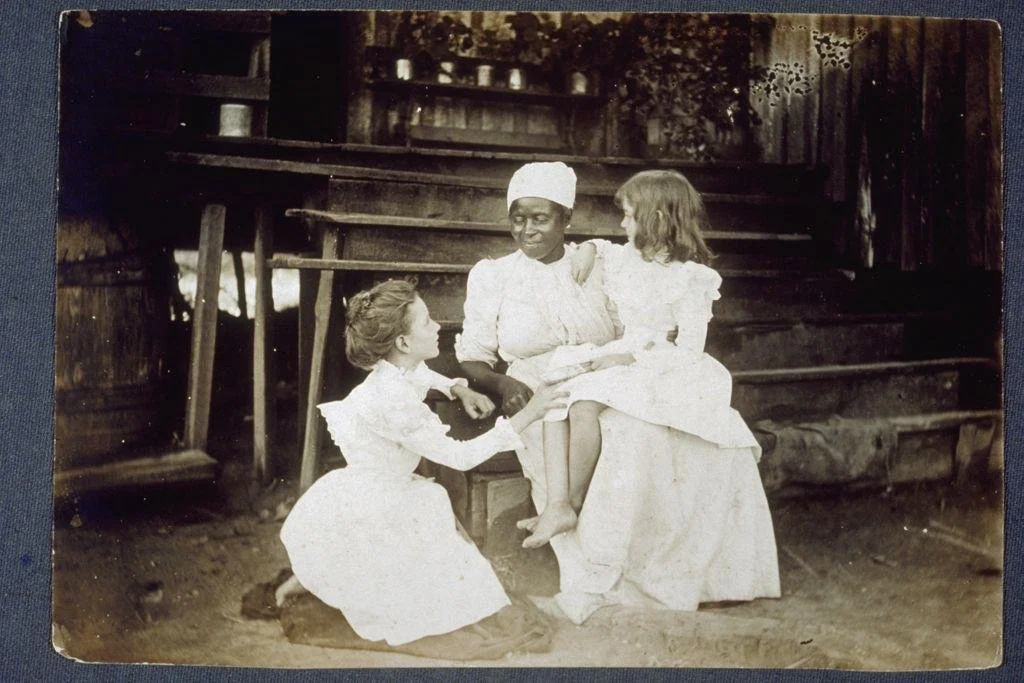
By connecting the prescriptive female role of overseeing the home to racism and admonishing white women for their lack of concern with the “purity” of Black women and domestic workers within their homes, Watkins-Harper challenged the narrow focus of reform movements. She suggested that the moral responsibility of women, who were natural mothers, extended beyond private behaviors in the home, it impacted social order.6
At the same time, her tone remained accessible and familiar to her predominantly white audiences. She used sentimental and religious language which aligned her with the audience’s values. This allowed her to critique her audience without alienating them.
“Enlightened Motherhood,” 1892
In her 1892 speech, “Enlightened Motherhood,” an address given to the Brooklyn Literary Society, a safe haven for Black, middle-class intellectuals, Watkins-Harper focused on a central organizing principle of nineteenth century reform—the role of mothers in shaping society from the privacy of their homes. Toward the beginning of her speech, she said, “The school may instruct and the church may teach, but the home is an institution older than the church and antedates school, and that is the pace where children should be trained for useful citizenship on earth and a hope of holy companionship in heaven.”7
For many reformers, both Black and white, motherhood was somewhat more than a private role. It was a prescriptive feminine role that should be anchored within the home but had a public impact. A mother’s responsibility was tied to the middle-class ideal of a household where women cultivated morality and men operated in the public sphere. Mothers were nurturers, moral educators, and primary parents who were responsible for raising worthy, virtuous citizens and uphold the social order of the nation.
Watkins-Harper embraced and expanded this notion of motherhood. She framed motherhood as deeply connected to dominant social conditions which were imbued with racism and misogyny. She emphasized that African Americans needed guidance, care, and education, but also pointed to the poverty, racial discrimination, and unequal access to resources that was shaping African American families’ lives. In doing so, she challenged the assumption that all women could fulfill the role of ideal motherhood simply because they were women.
The model of domestic stability upheld in reform movements was unevenly accessible and not universally attainable. Race and class intersected and impacted Black American women’s access to the ideal role of motherhood which was contingent upon white upper- and middle-class heteronormative standards. Black women, working-class women, and immigrant women were judged against standards they were systematically excluded from.8
Reform movement meetings were often spaces structured by racial hierarchies, prescriptive gender ideals, and assumptions about proper behaviors rooted in white middle-class norms. Frances Watkins-Harper's speeches reflect the constraints she faced as a Black woman operating within predominantly white spaces. She had to navigate all of these systems carefully to get her message across.
One way she did this was by focusing on what historians have described as the “respectability politics.” This approach emphasized Black American’s adherence to moral behavior, self-discipline, and strict attention to dominant social norms as a way to counteract racism and claim legitimacy. She refers to “respectable women” experiencing anguish if their “daughters should trail the robes of their womanhood in the dust.” Through the politics of respectability, we can understand why she emphasized motherhood, social responsibility, and morality. 9
Her tone remained familiar to her audience of both Black and white reformers. She encouraged mothers to be “character builders, patient, loving, strong and true” so that their homes could “be an uplifting power.” She used sentimental language and religious references, aligning herself with her audience’s values. Thus, her critique emerged gently, embedded within a framework her listeners already accepted.10
Watkins-Harper used respectability as a strategy. She worked within dominant frameworks while simultaneously exposing their limits. She demonstrated that the standards of proper womanhood were structurally and systemically uneven and constrained. She revealed the exclusions embedded within them. Her presence in crowded, meeting halls alone likely complicated the assumptions of those in attendance, and her words likely made those complications difficult to ignore.
“Social Purity” and the Politics of Sexual Morality, 1895
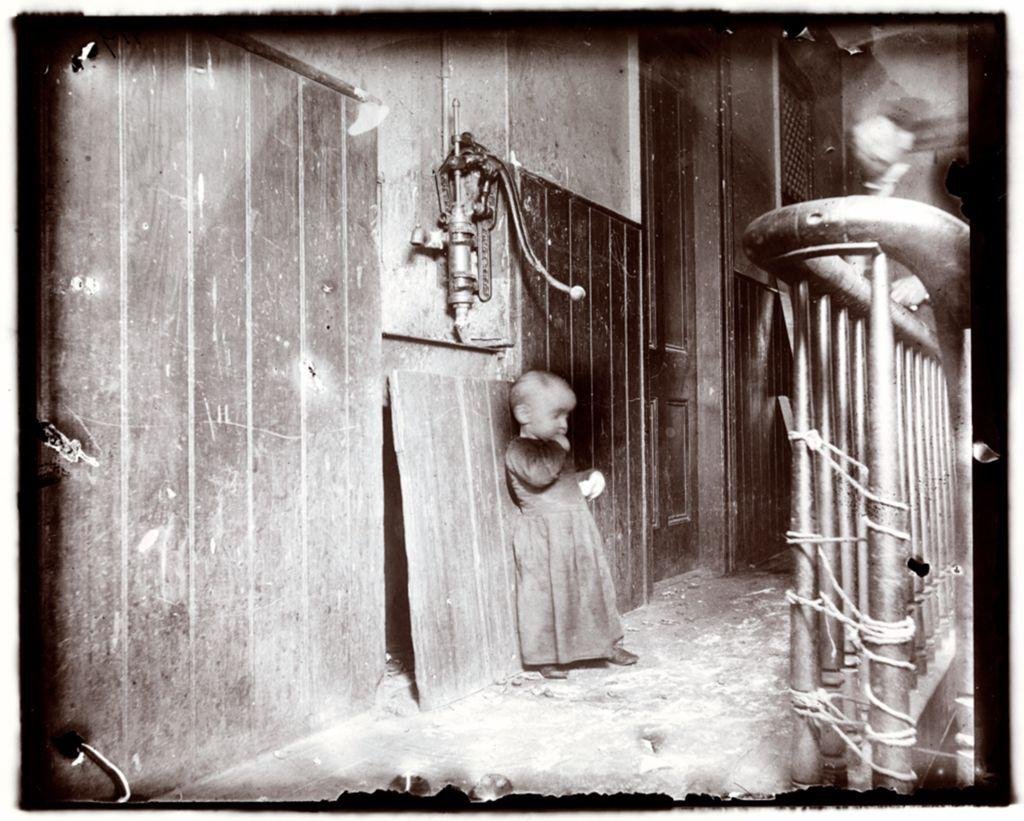
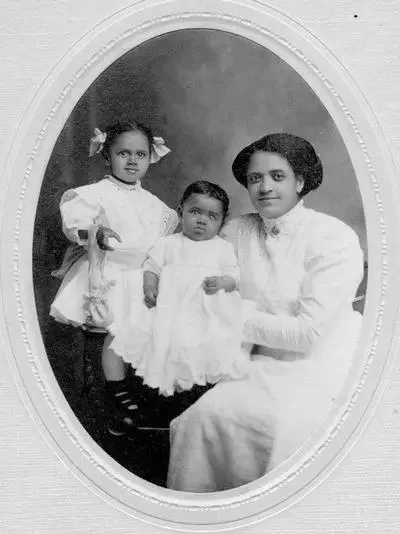
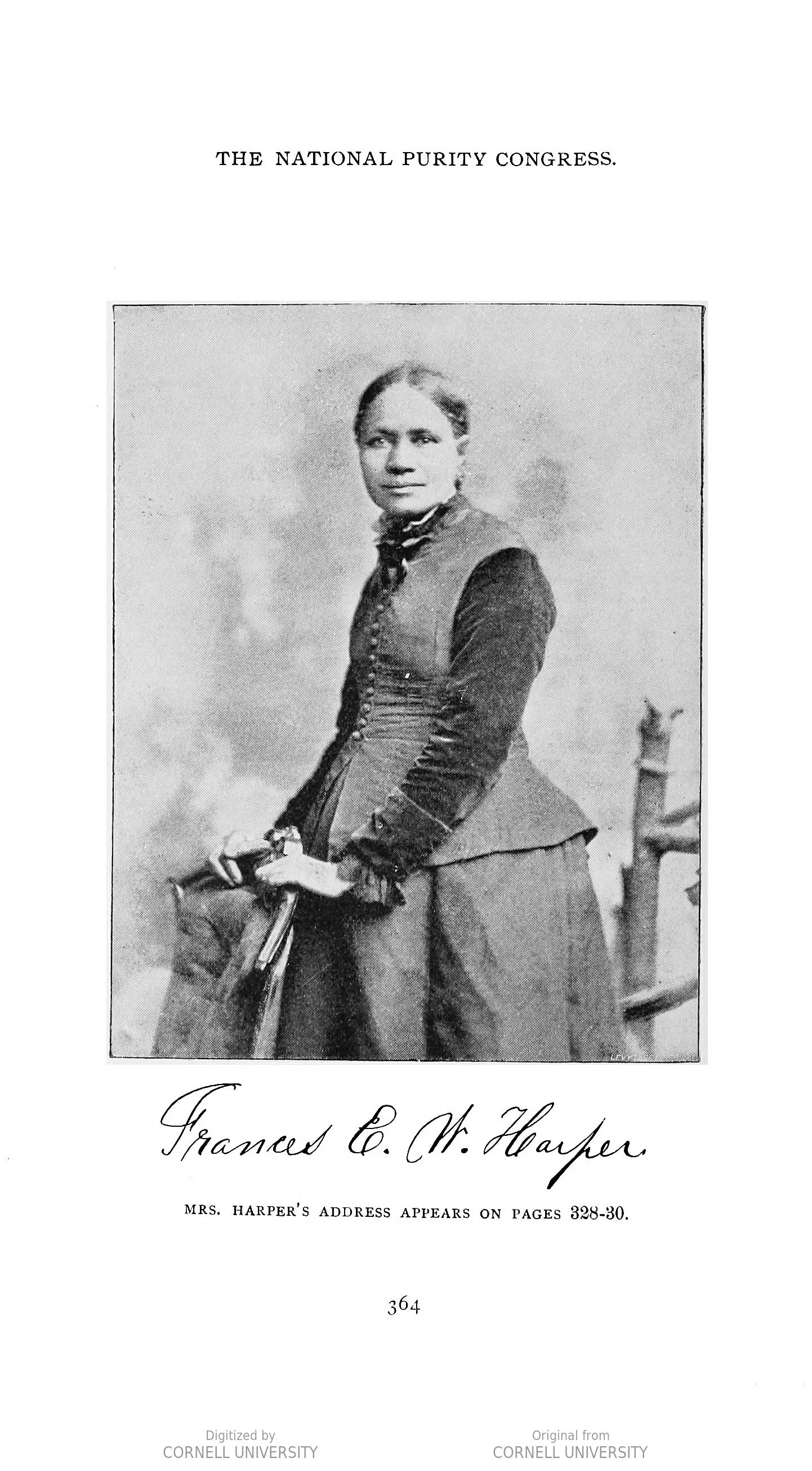
In Watkins-Harper's 1895 speech, “Social Purity—It's Relation to the Dependent Classes,” which was delivered to an audience at the first meeting of the National Purity Conference, her focus shifted toward issues of sexuality and social control. She addressed concerns about sex work, sexual exploitation, and moral decline.
The National Purity Congress, under the auspices of the American Purity Alliance, met to address the need for state regulation of sex work, the age of consent, to promote the “rescue” of “fallen men as well as fallen women,” and to discuss preventative education that would encourage “purity” to make the work of rescuing the aforementioned groups no longer a necessity. The purpose of Harper’s address was to serve her greater reform goals which focused on racial and gender uplift. 11
These concerns were central to many nineteenth century reform movements. Such movements were deeply invested in regulating sexuality and reinforcing heteronormative ideals of marriage, chastity, and the fulfillment of prescriptive gender roles. Women’s behavior was heavily scrutinized. The ideal woman was pure, domestic, and morally superior and this conception of women remained central to reformers’ efforts.12
In her speech, Watkins-Harper affirmed the importance of moral standards and emphasized the systemic, societal forces that shaped people’s lives. Racism, poverty, a lack of opportunities, and heavily constrained economic mobility contributed to the conditions reformers sought to address. So-called sexual “deviance” and “the social ill” was not a matter of individual failure, it was shaped by systemic inequalities like classism and racism. Speaking to this idea, she said “Black and white could sin together, but they could not be rescued. . . together.” 13
In her speech, Watkins-Harper implemented her keen storytelling skills. She evoked an image of two women, one white and one Black, sinking in the same deadly quicksand while other women stood on the shore, watching. The women on the shore in this story had the capacity to rescue both sinking women from the quicksand but only rescued the white woman. In this metaphor, the quicksand is representative of the “social evil” of women who have resorted to sex work to survive in “the slums.” This story evokes a sense of urgency and communicated to National Purity Congress attendees that Harper knew white women had the capacity to “rescue the perishing” (that is, Black women) from the sexual exploitation of white men if they chose to do so. Framing the need for “rescue” as a matter of life and death from a force beyond human control and insisting that white women practiced their faith as a “living power” rather than a “spent force” to help all women who “drifted downward” would likely have had a profound, emotional impact on her listeners.14
Her story demonstrated that morality could not be removed from its broader societal context.
Watkins-Harper challenged white reformers to address the root causes of the behaviors they wished to police. She disrupted the narrow definition of respectable womanhood and pointed to the ways that many women were excluded from white middle-class ideals altogether. Her argument reframed “social purity” as a collective responsibility rather than a question of individual morality.
“The Afro-American Mother,” 1987
In 1897, Frances Ellen Watkins-Harper delivered a speech entitled “The Afro-American Mother” to the National Congress of Mothers (NCM), a women-led organization that focused on issues of motherhood, education, moral reform, and child-rearing. The setting itself mattered. The NCM, like many other women-led reform organizations, framed motherhood as central to the future of the nation. Women gathered at these meetings to discuss how domestic life and motherhood bolstered the stability of American society—the nation’s future depended upon the moral guidance mothers provided within the home. 15
Like many reform organizations of the period, the NCM rested upon a specific vision of ideal family life. They centered the white, middle-class, heteronormative, patriarchal household as the model against which all others should be measured. Respectable homes were perceived as orderly spaces where mothers cultivated morality and fathers provided financial stability and public leadership. Reform movements lauded this structure as natural and universally attainable despite the fact that race and class impacted who could achieve it.
The contents of “The Afro-American Mother” show that Watkins-Harper entered this reform space aware of these assumptions. Toward the beginning of her speech she said, “You of the Caucasian race were born to an inheritance of privileges, behind you are ages of civilization, education, and organized Christianity; behind us are ages of ignorance, poverty and slavery.” 16
Rather than rejecting the language of mother and domesticity she used it to draw attention to the unequal conditions under which African American families lived in the decades following emancipation. She reminded her audiences that formerly enslaved Black Americans were forced to construct homes and families while emerging from generations of enslavement, poverty, and legal exclusion. She described Black Americans as “a legally unmarried race,” which emphasized that freedom required Black families to navigate literacy, labor, and family life within a hostile social environment.17
Her comments challenged white reformers’ tendency to treat Black families as morally deficient without acknowledging the systemic oppression that shaped Black domestic life. The enslavement of African Americans systematically disrupted family structures, denied legal marriage, and separated parents from their children. Yet, after emancipation, Black families were expected to conform to the same domestic ideals white reformers treated as evidence of morality and civilization.18
At the same time, Watkins-Harper reaffirmed many of the ideals shared by white women reform audiences. She highlighted the importance of stable homes, education, and moral guidance within the family. She argued that the home was foundational to civilization and social order. Mothers shaped the character of children and influenced the future of the nation itself. 19
The language Watkins-Harper used aligned with broader reform culture, but she redirected its implications. She suggested that motherhood could not be separated from the daily, material and social realities that shaped women’s lives. The ideal standard of respectable womanhood celebrated by white women reformers depended on access to financial security, education, and social recognition which were unevenly distributed along racial lines.
Speaking to white women in the audience directly, Watkins-Harper urged them to reconsider the exclusions embedded within dominant ideals of womanhood. “If you want us to act as women, treat us as women,” she declared. Her statement directly confronted the contradiction at the center of many reform efforts. White reformers celebrated morality and domestic virtue while denying Black women equal access to respectability, employment opportunities, and social dignity.20
Rather than asking for pity, Watkins-Harper appealed to her audience’s sense of justice and Christian responsibility. She argued that Black women should not be judged solely through the lens of race and urged white reformers to stop treating skin color as grounds for exclusion from respectable society. Her appeal reflected a broader strategy visible throughout her speeches. Watkins-Harper often worked within the emotional and religious language familiar to reform audiences while using that language to challenge the limits of white middle-class reform ideals. 21
“The Afro-American Mother” also connected Black motherhood to questions about citizenship and belonging. Watkins-Harper reminded her audience that African Americans contributed greatly to building the nation with their forced labor and thus, had a rightful claim to its protections and opportunities. African Americans faced increasing disenfranchisement after emancipation so, Watkins-Harper’s argument carried a particular weight. Black families were central to the nation’s framework; not outside of it. 22
Toward the end of her speech, Watkins-Harper emphasized that Black and white Americans shared a “community of interests.” The future of the nation depended on reform movements expanding narrow definitions of morality and domesticity to address the inequalities that molded American life.23
“The Afro-American Mother” demonstrates Watkins-Harper’s ability to navigate reform spaces intentionally and strategically. She adopted the rhetoric of morality, motherhood, and Christianity that dominated women-led reform movements in the nineteenth century and exposed racist assumptions within them. The language of her speeches reframed motherhood itself—not just as a private, domestic role, but as a political ideology through which questions of race could be debated.
Continuity and Change, 1892-1897
Frances Ellen Watkins-Harper's speeches demonstrate both continuity and change. The core themes of her speeches remained consistent: morality, motherhood, religion, and social responsibility. Her tone also continued to draw from the familiar language of reform, grounded in Christianity and sentimentalism.
Her focus became sharper over time. Her later speeches engaged more directly with class inequality, sexuality, and systemic injustices. The exclusionary ideals of white, middle-class, heteronormativity became more visible in her rhetoric even as she continued to operate within the language of white reform movements.
This combination of consistency and change reflected Watkins-Harper's adaptability. She responded to her changing audiences and changing contexts without sacrificing her clear, persistent critique of the structural, gendered, racist limits of reform movements.
Conclusion
Watkins-Harper's speeches offer a window into the complexities of late nineteenth century reform movements. They reveal that debates about morality, gender, and social order were deeply intertwined with race, class, and family structures. Central to these debates was the dominant ideal white, middle-class, patriarchal households as the foundation of the nation and the benchmark against which all other families were measured.
Reform efforts sought to preserve this model and extend it, treating it as universal when it was not universally attainable for all Americans. In doing so, reform movements re-entrenched and reinforced racist and classist assumptions about morality, respectability, and citizenship. Watkins-Harper’s speeches demonstrate that reform was never neutral; it was fundamentally tied to questions of whose welfare was worthy of protection.
Black women reformers were not peripheral to reform culture, but central. They worked to reshape the meaning of morality and social responsibility in the late nineteenth century. Watkins-Harper’s work demonstrates that when wielded strategically, the language and platforms of reform could be expanded to hold white reformers accountable and push reform movements to a more inclusive vision of justice. By using the familiar framework of Christianity, motherhood, and morality, Watkins-Harper exposed exclusions within white middle-class reform movements and demanded that reform address systemic inequalities like racism, poverty, and constrained economic mobility.
Watkins-Harper did not simply accept the limits of white reformers’ ideals. She intentionally connected with her audiences and expanded their language to include the lived realities of racism, poverty, and marginalization. She did not reject dominant moral frameworks of the period outright; she worked within them to deliberately reveal the contradictions and exclusions within them. She urged and challenged her audiences to reconsider what reform could mean and insisted that morality could not be separated from systemic inequalities. She worked to transform reform spaces into sites of negotiation and adaptability where ideas about race, citizenship, and gender could be questioned and expanded.
Watkins-Harper’s speeches demonstrate that nineteenth century reform movements could become spaces of change. They could be spaces in which reform efforts could be contested and extended. In crowded meeting halls across the country, Watkins-Harper’s voice carried those possibilities. She did not affirm the status quo, she sought to push reform movements toward a broader, more inclusive vision of social welfare.
Works Cited
2. Elizabeth Garner Masarik, The Sentimental State: How Women-Led Reform Built the American Welfare State, (Athens: The University of Georgia Press, 2024), 7, 99.
3. Gordon, Pitied But Not Entitled, 135-136; Masarik, The Sentimental State, 66.
4. Higginbotham, Righteous Discontent, 146.
6. Masarik, The Sentimental State, 66.
7. Frances E.W. Harper, “Enlightened Motherhood: An Address,” (Brooklyn Literary Society, 1892), 1.
8. Priya Kandaswamy, Domestic Contradictions: Race and Gendered Citizenship from Reconstruction to Welfare Reform, (Durham: Duke University Press, 2021). 6-7.
9. Frances E.W. Harper, “Enlightened Motherhood: An Address,” 4; Evelyn Brooks Higginbotham, Righteous Discontent: The Women’s Movement in the Black Baptist Church, 1880-1920, (Cambridge: Harvard University Press, 1993) 145; Masarik, The Sentimental State, 104-105.
10. Harper, “Enlightened Motherhood: An Address,” 8.
11. Aaron M. Powell, “The President’s Opening Address,” The National Purity Congress, Its Papers, Addresses and Portraits: An Illustrated Record of the Papers and Addresses of the First National Purity Congress, edited by Aaron M. Powell. Caulon Press, 1896, xiii-xv; Masarik, The Sentimental State, 2, 66, 96-97.
12. Linda K. Kerber, “The Republican Mother: Women and the Enlightenment—An American Perspective,” American Quarterly 28, No. 2 (1976), 201-2; Molly Ladd-Taylor, Mother-work: Women, Child Welfare, and the State, 1890-1930, 43; Kriste Lindenmeyer, “A Right to Childhood”: The U.S. Children’s Bureau and Child Welfare,1912-46 (University of Illinois Press, 1997), 30.
13. Frances E. W. Harper, “Social Purity—Its Relation to the Dependent Classes,” in The National Purity Congress, Its Papers, Addresses and Portraits: An Illustrated Record of the Papers and Addresses of the First National Purity Congress, edited by Aaron M. Powell. Caulon Press, 1896, 329.
14. Harper, “Social Purity—Its Relation to the Dependent Classes,” 329.
15. Molly Ladd-Taylor, Mother-work, 46.
16. Frances E. W. Harper, “The Afro-American Mother,” The Work and Words of the National Congress of Mothers (First Annual Session), (D. Appleton and Company, 1897), 69.
17. Frances E. W. Harper, “The Afro-American Mother,” 67.
18. Tera Hunter, To ‘Joy My Freedom, (Cambridge: Harvard University, 1997 Press), 105; Linda Gordon, Pitied But Not Entitled, 22, 136.
19. Harper, “The Afro-American Mother,” 68.
20. Harper, “The Afro-American Mother,” 70.
21. Harper, “The Afro-American Mother,” 70.
22. Harper, “The Afro-American Mother,” 69-70.
23. Harper, “The Afro-American Mother,” 71.
Bibliography
Primary
Harper, Frances E. W. “The Afro-American Motherhood,” The Work and Words of the National Congress of Mothers (First Annual Session), D. Appleton and Company, 1897.
Harper, Frances E.W. “Enlightened Motherhood: An Address,” Brooklyn Literary Society, 1892.
Harper, Frances E. W., “Social Purity—Its Relation to the Dependent Classes,” in The National Purity Congress, Its Papers, Addresses and Portraits: An Illustrated Record of the Papers and Addresses of the First National Purity Congress, edited by Aaron M. Powell. Cauldon Press, 1896.
Powell, Aaron M., “The President’s Opening Address,” The National Purity Congress, Its Papers, Addresses and Portraits: An Illustrated Record of the Papers and Addresses of the First National Purity Congress, edited by Aaron M. Powell. Caulon Press, 1896.
Secondary
Gordon, Linda, Pitied But Not Entitled: Single Mothers and the History of Welfare, (The Free Press, 1994).
Higginbotham, Evelyn Brooks, Righteous Discontent: The Women’s Movement in the Black Baptist Church, 1880-1920, Cambridge: Harvard University Press, 1993.
Hunter, Tera, To ‘Joy My Freedom, Harvard University Press, 1997.
Kandaswamy, Priya, Domestic Contradictions: Race and Gendered Citizenship from Reconstruction to Welfare Reform, Duke University Press, 2021.
Kerber, Linda K., “The Republican Mother: Women and the Enlightenment—An American Perspective,” American Quarterly 28, No. 2 (1976).
Ladd-Taylor, Molly, Mother-work: Women, Child Welfare, and the State, 1890-1930, University of Illinois Press, 1994.
Lindenmeyer, Kriste, “A Right to Childhood”: The U.S. Children’s Bureau and Child Welfare,1912-46, University of Illinois Press, 1997.
Masarik, Elizabeth Garner, The Sentimental State: How Women-Led Reform Built the American Welfare State, The University of Georgia Press, 2024.